A tick on your dog may be the visible part of an infestation hiding in bedding, floor edges, furniture seams, kennels or balcony cracks. You will learn how to identify and remove a tick safely, protect every animal and household member, prepare your home, and judge whether a dog-tick treatment plan addresses both the pet and the premises.
Key takeaways
- Use fine-tipped tweezers to remove an attached tick close to the skin.
- Treat the dog and indoor areas because ticks can hide in bedding, cracks and upholstery.
- Wash pet bedding and clear floor clutter before home treatment.
- Ask about pet re-entry time, product details, follow-up visits and technician experience.
How to tell a tick from a flea, bed bug or harmless insect
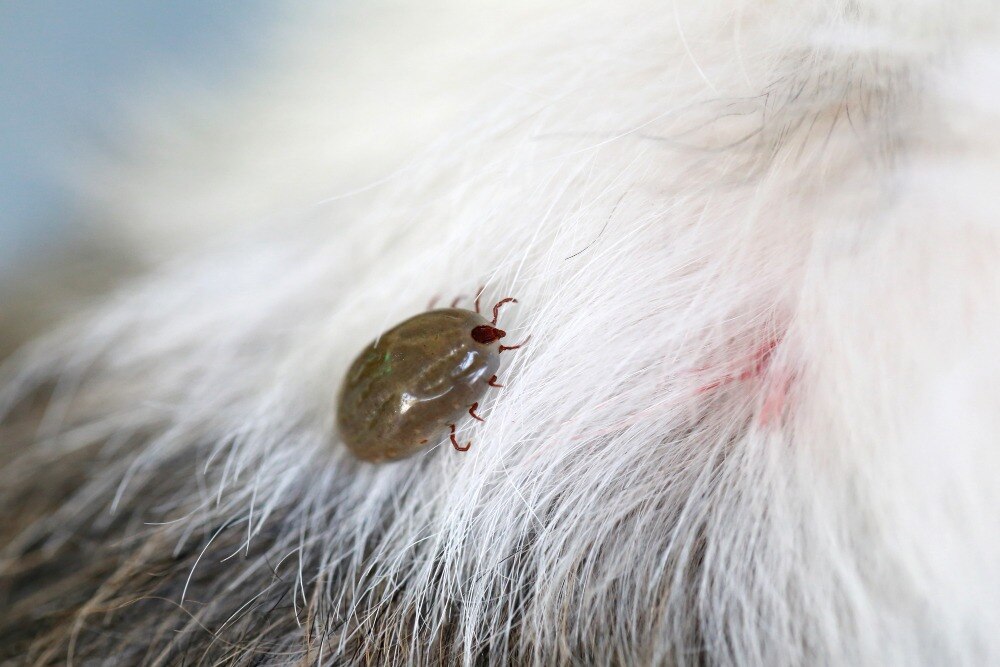
A tick is usually oval or bean-shaped, firmly anchored to a dog’s skin, with its legs visible near the front of the body. After feeding, it can swell into a rounded, grey-brown body.
On clothing, bedding or flooring, an unfed tick may look smaller and flatter, so do not choose treatment from a vague resemblance alone.
| Specimen | Appearance and movement | Usual location |
|---|---|---|
| Tick | Oval or bean-shaped; does not jump; attached firmly when feeding | Dog’s skin, clothing, bedding, floor edges or cracks |
| Flea | Tiny, dark, laterally flattened insect that jumps | Fur, bedding, rugs and floor surfaces |
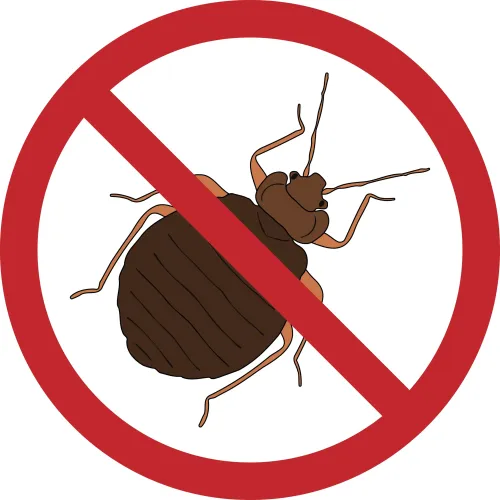
| Bed bug | Flat, reddish-brown insect; crawls rather than jumps | Mattress seams and sleeping areas, not embedded in a dog’s skin |
| Mite | Usually too small to identify without magnification | Skin, fur or dusty protected areas |
| Harmless outdoor insect | Shape and movement vary; not every balcony or floor insect is a tick | Balconies, windows, plants and outdoor surfaces |
After walks or visits to shared pet areas, check inside and behind both ears, around the eyelids, under the collar, in the armpits, between toes, in the groin, between the hind legs and around the tail. An unfamiliar specimen should be photographed beside a coin or placed in a sealed container for identification.
This prevents the wrong dog tick control malad treatment.
What to do when you find an attached tick
Remove an attached tick with fine-tipped tweezers, not your fingers. Part the fur, grip the tick as close to the skin as possible, and pull upward with slow, steady, even pressure. Do not twist, crush, burn, or coat it with petroleum jelly, alcohol, or another chemical.
These methods can injure the skin, rupture the tick, or leave mouthparts embedded.
Use this removal checklist:
- Place the removed tick in a sealed container or an alcohol-filled vial if your veterinarian requests identification.
- Never crush the tick with bare fingers.
- Wash the bite site with soap and water.
- Check the skin for swelling, redness, irritation, or mouthparts left behind.
- Inspect your clothing and skin, especially after handling the dog or its bedding.
- Wash your hands after completing the check.
Contact a veterinarian if mouthparts remain embedded or the dog becomes unwell. Seek prompt advice for multiple attached ticks, a puppy, a frail senior dog, unusual tiredness, weakness, fever, pale gums, or loss of appetite.
A dog ticks treatment Malad provider cannot replace veterinary care for these signs; the veterinarian must assess the dog and choose any preventive medicine. Keep the removed tick for identification when requested, because confirming the species can guide follow-up.
Why effective tick control needs the dog and the home
Treat the dog and the premises as two separate targets. Brown dog ticks can complete their life cycle indoors, so treating only the dog leaves eggs, larvae, nymphs and adults in wall voids, cracks, skirting, furniture seams, carriers, kennels and bedding.
Look for live ticks on walls, curtains, floors, sofa seams and sleeping areas. Repeated ticks on a dog despite preventive medication also indicate that the home needs inspection and treatment.
A veterinarian selects an oral, topical or collar-based acaricide based on the dog’s species, age, weight, pregnancy, illness and current medicines. A pest-control technician treats environmental harbourages; household insecticide must never be applied directly to a dog.
A dog product is not automatically safe for cats. Permethrin products labelled for dogs can seriously poison cats, so use each product only for the species named on its label.
Before a ticks pest control Malad service, protect every household member according to the product label and technician’s instructions:
- Remove or isolate puppies, senior dogs, pregnant dogs, cats, birds and children.
- Cover or remove fish tanks, and protect food, water bowls, toys and bedding.
- Vacuum cracks, skirting, sofa seams, floors and sleeping areas; seal and discard the contents outdoors.
- Launder bedding and washable covers, then dry them completely.
- Schedule follow-up treatment because one spray may not reach every life stage.
Vacuuming, laundering and follow-up matter because protected eggs and immature ticks can survive an initial application.
How to prepare a pet-friendly home before treatment
Vacuum before the technician arrives, then remove the vacuum contents outdoors. This preparation improves a dog tick control Malad treatment because eggs and immature ticks can remain in protected harbourages.
1. Vacuum rugs, sofa seams, floor edges, skirting, cracks, balcony edges and the dog’s sleeping zone. Empty the canister or remove the bag outdoors into a sealed bag, then place it in an outdoor bin.
2. Launder bedding, washable covers, blankets and fabric toys at the hottest temperature allowed by each care label. Dry every item completely before returning it.
3. Wash or replace crate liners. Inspect carriers, and clean brushes and collars according to their materials; do not soak leather or damage items that cannot tolerate water.
4. Remove dogs, cats, children, birds and other animals as instructed. Cover or remove fish tanks, secure water and food bowls, store pet food, and move toys, chews and bedding away from indoor or balcony treatment areas.
5. Ask the technician to write down the exact active ingredient, target surfaces, ventilation requirement, re-entry time and follow-up date. “Pet-safe” alone does not explain exposure conditions. These details matter when comparing ticks pest control Malad services.
After treatment, do not wash treated surfaces or release pets early unless the product label or technician permits it. Repeat vacuuming and laundering when advised: protected eggs and immature ticks can survive an initial service.
What to check before booking a dog-tick service in Malad
Compare a dog ticks pest control service in Malad by its inspection plan, not by the words “pet-safe.” Ask whether the technician examines dog sleeping areas, kennels, carriers, sofa seams, skirting, cracks, wall voids and balcony floor edges, while planning for eggs, larvae, nymphs and adults.
| Provider answer | What it should identify | Warning sign |
|---|---|---|
| Active ingredient and application sites | Product name and treated surfaces | “We use a safe chemical” |
| Ventilation, pet and child precautions | Isolation steps and required airing time | No written instructions |
| Re-entry time | When people and animals can return | “Come back when it feels dry” |
| Follow-up policy | Inspection or repeat treatment schedule | One unexplained spray only |
| Veterinary coordination | Premises work alongside animal medication | Spray offered instead of veterinary care |
Ask these questions before booking:
- How will you coordinate with my veterinarian without replacing oral, topical or collar medication with a premises spray?
- What will you reassess if ticks return after cleaning, appear on walls or curtains, or keep appearing on a treated dog?
- Will you explain human exposure precautions and how household members should check clothing and skin?
Those signs call for reassessment, not another unexplained application. Organic Facility Services LLP can be considered if you want a Malad provider to discuss inspection and pet-safety preparation for dog ticks treatment Malad.
Keep invisible-grill installation and bird-netting as separate scopes: they address birds or fall hazards, not ticks or indoor harbourages.
Related service
Ticks Pest Control Service Ticks are external parasites, living by feeding on the blood of mammals, birds, and sometimes reptiles and amphibians. View service → |
Frequently asked questions
How can you tell a tick from a flea, bed bug or harmless insect?
A tick is oval or bean-shaped, anchored to the skin, and has visible legs near its front. It swells after feeding. Fleas jump and move quickly, bed bugs are usually found around sleeping areas, and harmless insects are not firmly attached to the dog.
What should you do when you find an attached tick?
Use fine-tipped tweezers to grip the tick close to the skin and pull upward steadily. Do not twist, crush it on the skin, or apply oil, alcohol or heat. Clean the bite area and contact a veterinarian if your dog becomes unwell.
Why does effective dog tick control include both the dog and the home?
Ticks can remain in pet bedding, floor cracks, upholstery, carpets and shaded outdoor areas after leaving the dog. Controlling only the dog leaves these hiding places untreated and increases the chance of re-infestation.
What should you check before booking a dog-tick service in Malad?
Ask which areas will be treated, which product or active ingredient will be used, how long pets must stay away, what preparation is required, and whether follow-up inspection or treatment is included.
Keywords