

Termites are often called 'silent destroyers' because they can cause significant structural damage before there are any visible signs of infestation. Many property owners respond to the first signs of termites by purchasing a termite pest control spray, hoping to solve the problem quickly. While sprays can help in certain situations, they are rarely enough to eliminate an established termite colony.
Understanding the difference between over-the-counter termite sprays and professional termite treatment can help homeowners, residential societies, and commercial property managers make informed decisions that protect their investment.
Why Termites Are a Serious Concern
Unlike cockroaches or ants, termites feed on cellulose found in wood, paper, and other organic materials. They work quietly inside walls, flooring, furniture, door frames, and wooden structures, often remaining unnoticed for months or even years.
Common areas where termites are found include:
- Wooden furniture
- Door and window frames
- False ceilings
- Flooring
- Storage rooms
- Wooden partitions
- Office interiors
- Construction timber
By the time visible damage appears, termites may have already established large underground colonies.
How Does a Termite Pest Control Spray Work?
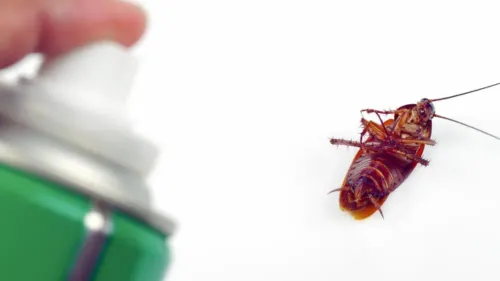
A termite spray is designed to kill termites that come into direct contact with the treated surface. It can be useful for treating small, visible areas where termite activity has just begun.
Sprays may help:
- Reduce visible termite movement
- Provide temporary surface protection
- Treat exposed wooden surfaces
- Control isolated infestations
However, sprays generally do not reach the underground colony where thousands of termites continue breeding.
Limitations of Using Only a Spray
Many property owners assume that once the visible termites disappear, the infestation has ended. Unfortunately, this is rarely the case.
A surface spray cannot usually:
- Reach underground termite colonies
- Penetrate deep inside walls
- Protect an entire building
- Eliminate the termite queen
- Prevent future colony expansion
Without addressing the source, termites often return within a short period.
How Professional Termite Treatment Works
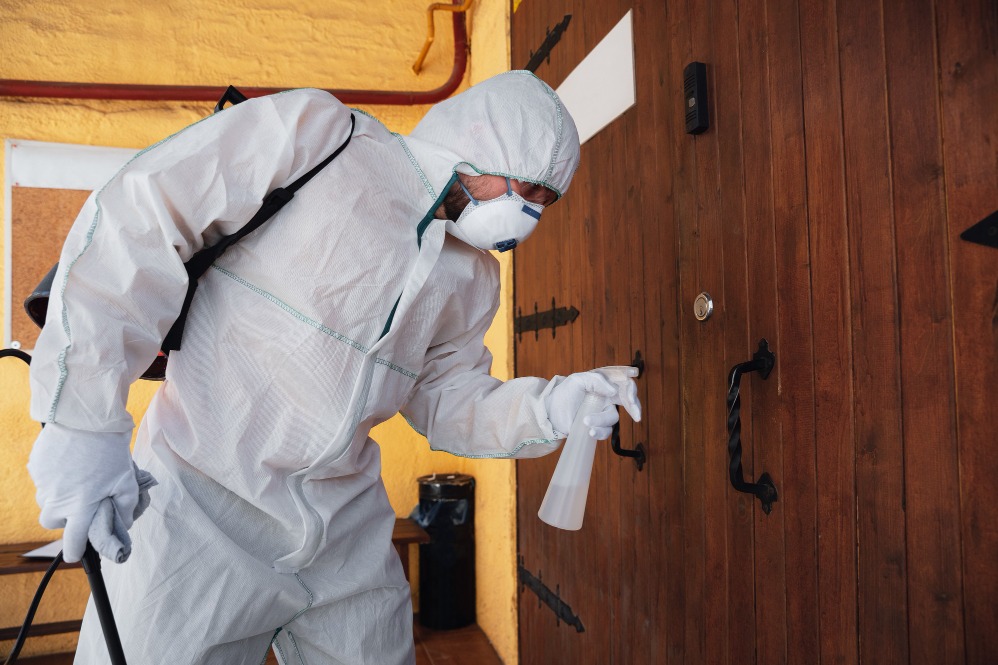
Professional termite control focuses on eliminating the colony rather than simply killing visible insects.
Depending on the property, technicians may use:
- Soil treatment around foundations
- Drill-and-fill applications
- Wood treatment
- Targeted chemical barriers
- Monitoring systems
- Preventive inspections
These methods are selected after a detailed inspection of the property's construction and infestation level.
Signs You May Need Professional Treatment
Contacting a professional early can prevent extensive damage.
Watch for signs such as:
- Hollow-sounding wooden furniture
- Mud tubes on walls
- Discarded termite wings
- Doors and windows becoming difficult to close
- Cracked or bubbling paint
- Wood that crumbles easily
- Small piles of termite droppings
Ignoring these warning signs often leads to more expensive structural repairs.
Which Properties Are Most at Risk?
Termites affect both residential and commercial buildings.
Properties commonly requiring termite management include:
- Independent houses
- Apartments
- Residential societies
- Offices
- Warehouses
- Hotels
- Schools
- Hospitals
- Retail outlets
- Industrial facilities
Buildings with wooden interiors or moisture problems are particularly vulnerable.
Preventing Future Termite Infestations
Although no property is completely immune to termites, preventive maintenance significantly reduces risk.
Helpful preventive measures include:
- Repair leaking pipes promptly
- Avoid direct wood-to-soil contact
- Keep storage areas dry
- Inspect wooden furniture regularly
- Remove unused timber from the property
- Schedule periodic termite inspections
Early detection is one of the most effective ways to minimise repair costs.
Why Mumbai Properties Need Regular Termite Inspections
Mumbai's humid weather and continuous construction activity create favourable conditions for termite colonies. Homes and businesses in Mira Road, Dahisar, Borivali, Kandivali, Malad, Goregaon, Jogeshwari, Andheri, Vile Parle, Santacruz, Khar Road, and Bandra should consider routine inspections, especially if the property contains extensive wooden interiors or has experienced previous termite activity.
Older buildings and ground-floor properties may require more frequent monitoring due to increased moisture exposure.
Choosing the Right Termite Control Provider
Before hiring a termite control company, look for:
- Detailed property inspections
- Experienced technicians
- Property-specific treatment plans
- Preventive maintenance options
- Clear explanations of treatment methods
- Follow-up inspections where necessary
Organic Facility Services LLP provides professional termite management services tailored to residential and commercial properties. Rather than relying solely on surface treatments, the company assesses the entire property to identify termite activity, determine the source of infestation, and recommend the most suitable long-term solution.
Spray Alone Is Rarely the Complete Answer
A termite pest control spray can be useful for treating small, localised termite activity, but it should not be considered a replacement for professional termite management when an active colony is present.
Protecting a property from termites requires more than eliminating the insects you can see. Thorough inspections, targeted treatment methods, preventive maintenance, and regular monitoring provide the most reliable defence against costly structural damage. Whether you own a home or manage a commercial property in Mumbai, investing in professional termite control helps safeguard your building for years to come.